
Moving to Mexico is exciting. It also comes with everyday details that can catch newcomers by surprise. In my video, I share five practical habits that can help you avoid unnecessary stress, protect your money and settle in with more confidence.
In this guide, I explain the five everyday mistakes I discuss in the video and the simple habits that can help you avoid them.
1. Be careful with tap water
When you arrive, ask whether the tap water is safe to drink and what treatment the property uses. Many households use purified water delivered in large reusable bottles called garrafones. Check that drinking water and ice come from a reliable source, especially if you are unsure about the local supply.
Before settling in, ask whether the property has a filter and when it was last maintained. A clear-looking glass of water is not proof that it is safe. If you are buying a garrafón, check that its seal is intact and store it in a clean place.
If you are unsure about water quality, use sealed bottled or properly treated water for drinking and brushing your teeth, and check how ice was made. The CDC’s food and water advice explains why water that looks clear may still be unsafe.
2. Choose your ATM carefully
For cash withdrawals, choose an ATM inside a bank or another secure, well-lit location. Inspect the machine for anything unusual, cover your PIN, and be aware of your surroundings. Check your bank’s fees and the exchange rate before completing a withdrawal.
Before using an ATM, look around and check the card slot and keypad for loose or unusual parts. If anything feels wrong, leave and choose another machine. Keep your bank’s contact details somewhere separate from your card in case you need to report a problem.
An ATM may offer to convert your withdrawal into your home currency. Review the exchange rate and any fees before accepting conversion; you can also choose to decline it and have your card issuer handle the conversion. Check your bank’s fees too, because the total cost depends on both. Visa explains your currency conversion choices.
3. Do not rent a place you have not seen
Photos and listings can look convincing, but they do not tell you everything about a property or the person offering it. Visit in person or ask someone you trust to inspect it. Confirm who is authorized to rent it, read the agreement carefully, and be cautious about sending a deposit before you have verified the details.
During a viewing, check that the water, electricity, locks and appliances work, and document their condition. Ask who pays for utilities and maintenance, how much the deposit is, and what conditions apply when you leave. Keep copies of the signed agreement and receipts.
Be cautious if someone pressures you to pay immediately or offers a property at a price far below similar listings. Mexico’s federal security authorities warn about rental scams involving deposits for properties advertised online. If you are a temporary or permanent resident, remember that a change of address must generally be reported to INM within 90 days under Article 63 of Mexico’s Migration Law. See my guide to reporting a change of address to INM for more details.
4. Pay attention to your CFE electricity bill
Electricity costs can surprise newcomers, particularly in hot weather when air conditioning runs often. Ask for previous CFE bills before renting and check which costs are included. The video also discusses the high-consumption DAC tariff; your rate depends on your circumstances, so check your own bill and CFE’s current information.
Look at the consumption shown on more than one bill, not just the amount paid on a single occasion. Ask whether the bill is current and whose name appears on the account. Air conditioning, pool equipment and older appliances can affect consumption, so compare bills from different seasons if available.
The DAC high-consumption tariff is based on a rolling 12-month average, and the applicable threshold varies by locality. A single unusually expensive bill does not, by itself, tell you whether the property is on DAC. Check the tariff and consumption history on the bill and consult CFE’s energy-saving guide for an explanation.
5. Check the toilet paper rule
Plumbing varies from one building to another. In many places you will see a small bin beside the toilet for used toilet paper. Follow the signs or ask your host what the local plumbing can handle. A small habit can prevent an inconvenient blockage.
Rules differ between buildings and plumbing systems. If there is a bin or a notice in the bathroom, use it as instructed; do not assume every home has the same arrangement. If you are renting, ask your host where to dispose of used paper and when the bin is collected.
For outings, it can be useful to carry a little toilet paper and small coins: some public restrooms may charge a modest fee or have limited supplies.
A little local knowledge makes a difference
Ask questions, take your time and verify the details before making decisions. These five habits are a starting point for making everyday life in Mexico easier.
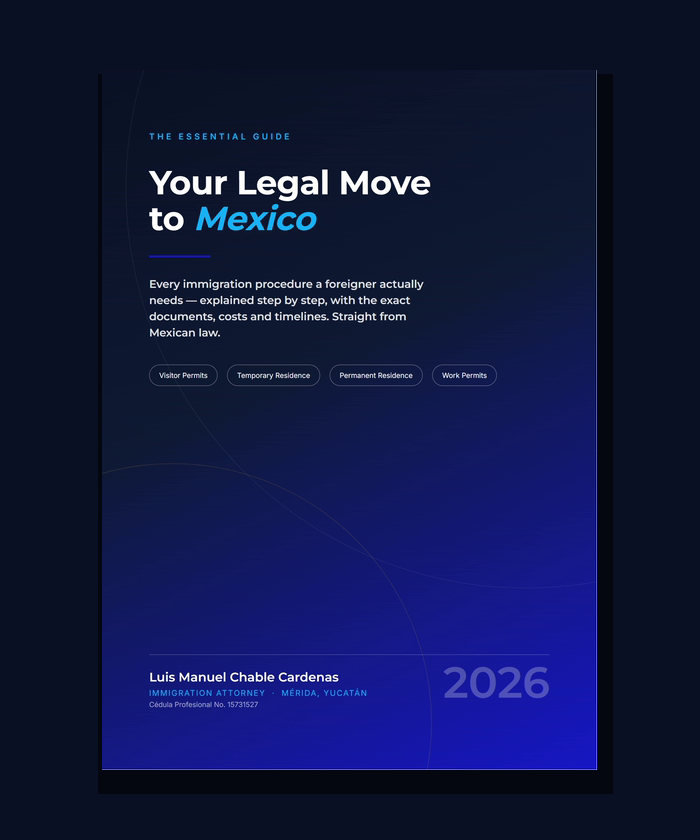
New ebook · 2026 edition
Your Legal Move to Mexico
The immigration guide written by a Mexican immigration attorney: every requirement, deadline and fee a foreigner needs, explained step by step and taken straight from Mexican law. A 53-page PDF in English.
- Which status fits you, with a four-question flowchart
- The money test, in pesos for 2026
- The 30-day canje: what to file at the INM
- The INM portal, screen by screen, with real screenshots
$20 USD credited toward your first consultation with me
Secure checkout by Hotmart · Instant download · 15-day refund
Not sure your case needs a lawyer?
In a consultation I review your case and explain, step by step, the process you need to follow. If you can do it yourself, I’ll tell you honestly. In English, Spanish or French.
Keep reading
More guides you may find useful

Visas · France
PVT visa: live and work in Mexico for 12 months as a French citizen
How the Working Holiday Program between Mexico and France works, and what nobody tells you about working with this visa.
Work
How to get residency in Mexico through a job offer
One of the most common paths to live and work legally in Mexico, and one of the most misunderstood.
Family unity
Family unity: can you bring your spouse or children to Mexico?
Many people think the only way to get residency is to prove a high income. Family unity is another path.
Citizenship
How to get Mexican citizenship in 2026
If you already have temporary or permanent residency, this is the next step: how to become a Mexican citizen.
This article provides general information. Local conditions and individual circumstances vary.